
GLP-1 Weight Regain: What the Tirzepatide Trials Show

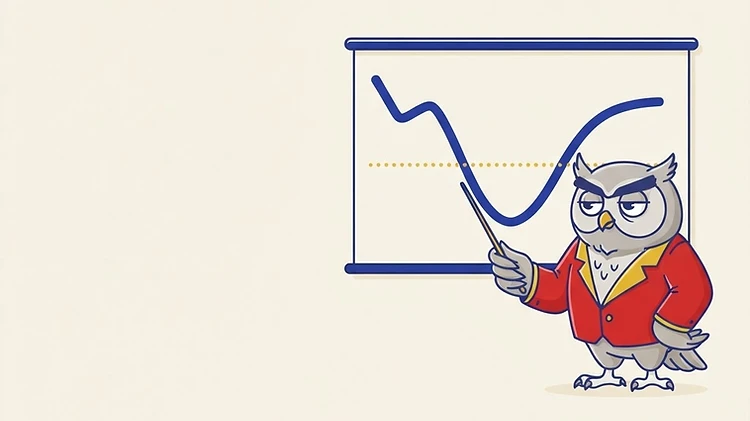
Apparently, once you hit your goal weight, your appetite is supposed to read the room and behave forever.
And if some weight comes back? Clearly you just needed more discipline.
Convenient. Also a pretty lazy explanation.
Before we start handing out lectures, let's look at what Eli Lilly actually studied. Then let's talk about the part that deserves more attention: what happens after the weight comes off.
The quick answer
Regain after stopping is the studied outcome
In the Lilly-funded SURMOUNT-4 trial, people switched to placebo regained about 14% of their body weight over 52 weeks, while diet and physical activity counseling continued in both groups.
Most participants did not regain everything
A later analysis found 82.5% of people regained at least a quarter of the weight they had lost. A quarter is not all of it.
A lower dose kept more weight off than stopping
In SURMOUNT-MAINTAIN, stepping down to 5 mg weekly left an average 16.6% reduction from starting weight, against 9.9% on placebo.
"Microdosing" is not a lower approved dose
5 mg weekly is an approved Zepbound maintenance dose. Smaller, nonstandard doses and longer gaps between injections were not tested.
Plan the maintenance phase first
Agree on follow-up, and on what would prompt a reassessment, with your prescriber.
What Lilly found when people stopped tirzepatide
In the Lilly-funded SURMOUNT-4 trial, published online in JAMA in December 2023, 670 adults with overweight or obesity, without diabetes, lost an average of 20.9% of their starting weight during 36 weeks of tirzepatide treatment.
Over the next 52 weeks, people who continued treatment lost another 5.5%. People switched to placebo gained 14%, measured against their weight at the time of the switch. That means a 14% increase in body weight, not merely regaining 14% of the pounds they had lost. JAMA Network
Here's the detail worth paying attention to: diet and physical activity counseling continued in both groups. JAMA Network
So yes, encourage better habits. Absolutely. But the trial does not establish that people regained weight because they suddenly stopped trying.
Calling every rebound a discipline problem is a hell of a conclusion to draw from a study that never showed that.
The 82.5% headline needs context
A later analysis, published online in November 2025, looked at 308 SURMOUNT-4 participants who had lost at least 10% of their weight before stopping tirzepatide.
Within a year, 82.5% regained at least a quarter of the weight they had lost. Greater regain was also associated with larger reversals in improvements in blood pressure, blood sugar, and other health measures. JAMA Network
That is a serious finding. It also does not mean 82.5% of people gained everything back.
For example, losing 40 pounds and regaining 10 meets that "quarter regained" threshold. That's an illustration of the math, not a prediction for any individual.
We can talk about the risk without turning the numbers into a horror story.
Could a lower dose help with GLP-1 weight regain?
Here's a reasonable question: once someone has lost weight, could a lower dose help them maintain it instead of stopping treatment entirely?
Lilly's newer SURMOUNT-MAINTAIN trial explored that idea. Results were published in May 2026. After 60 weeks of tirzepatide, participants continued their maximum tolerated dose of 10 or 15 mg weekly, stepped down to 5 mg weekly, or switched to placebo for another 52 weeks. Eli Lilly and Company
At the end, the estimated average weight reductions from their original starting weight were:
| Maintenance approach | Weight loss remaining from original starting weight |
|---|---|
| Continue the previous 10 or 15 mg dose | 21.9% |
| Reduce to 5 mg weekly | 16.6% |
| Switch to placebo | 9.9% |
These are total weight reductions from before treatment. The lower-dose group kept more weight off than the placebo group, but still regained some weight. Continuing the previous dose preserved more progress. Zepbound (tirzepatide)
That gives lower-dose maintenance a credible place in the conversation. For how the options differ at the receptor level, see our GLP-1 peptides compared guide.
But let's get the terminology right. The 5 mg dose is an approved Zepbound maintenance dose. Calling it "microdosing" blurs the distinction between a studied treatment and much smaller, nonstandard doses. Lilly prescribing information
SURMOUNT-MAINTAIN did not test tiny doses below approved maintenance levels or stretching out the time between injections. It also enrolled people who had already responded to and tolerated tirzepatide. Those results cannot tell everyone what dose they should take next. Zepbound (tirzepatide)
Lower-dose maintenance may be an option to discuss with a prescriber. Microdosing still needs stronger evidence before anyone sells it as the answer.
Lilly funded these trials, which deserves disclosure. Read the results with that in mind, including the regain that occurred in the lower-dose group. A press-release headline should never do all your thinking for you.
Use the time on treatment to build habits you can keep
If treatment makes managing food feel easier, use that opportunity.
Learn what a satisfying meal looks like. Find exercise you can repeat when work gets busy. Build a routine that survives a stressful Tuesday.
A 2025 advisory from four professional societies recommends establishing nutrition and lifestyle practices before and during GLP-1 treatment. It also acknowledges that the specific habits that prevent regain after stopping have not been rigorously established. PMC
That is a reason to be practical, not hopeless.
- Eat for nourishment. Include protein and fiber-rich foods, and get help if reduced appetite makes it difficult to eat enough.
- Build a strength routine. Adequate protein and resistance training support muscle preservation during weight loss. A protein shake cannot do the training for you.
- Make movement repeatable. Choose walking, cycling, swimming, or another activity you can keep doing.
- Take sleep seriously. Make a consistent sleep routine part of your plan. PMC
Start small enough that these habits fit your actual life. "I'll become a completely different person when I stop the medication" is asking a lot of future you.
There is some encouraging exercise research. A small follow-up study involving liraglutide suggested that combining medication with structured exercise could improve longer-term outcomes. Regain still occurred, and the difference in post-treatment regain between the combination and medication-only groups was uncertain. It studied a different drug and does not prove exercise prevents rebound. University of Copenhagen Research Portal
The aim is to enter a transition with useful routines already in place. Nobody can honestly promise those routines will make stopping easy or guarantee that all the weight stays off.
Make a maintenance plan before changing treatment
"Lose 50 pounds" is a goal. It leaves a lot unanswered.
What happens if appetite becomes harder to manage? What if insurance coverage changes? What if side effects make the current treatment difficult? Who is checking in after a medication change?
Those are conversations to have with the prescriber before you are trying to solve everything at once. Depending on response, side effects, health needs, and cost, the plan may involve continued treatment, an adjustment, or another approach. Healthy eating and activity remain useful whether medication continues or stops. NIDDK
Agree on follow-up, how to monitor the weight trend, and what would prompt a reassessment. A normal fluctuation should not become a personal failure, and a persistent trend deserves attention.
If someone still needs treatment after building good habits, their effort still counts.
If you are working out what a dose actually measures in a syringe, our peptide dosage calculator handles that math.
Keeping the weight off deserves its own plan
We should be able to celebrate weight loss without pretending the next phase will take care of itself.
Build the habits while you have support. Ask about maintenance before changing treatment. Stay curious about lower-dose options, and demand evidence when someone promises a microdosing shortcut.
And maybe retire the idea that needing continued treatment makes someone weak.
Your goal weight is a milestone. It is a terrible substitute for a maintenance plan.
Educational content. Medication changes should be made with a licensed prescriber.
Frequently asked questions
Sources and further reading
Sources and further reading
- SURMOUNT-4: continued tirzepatide treatment and withdrawal, JAMA
- Weight regain and cardiometabolic reversals after tirzepatide withdrawal, JAMA Internal Medicine
- SURMOUNT-MAINTAIN results announcement, Eli Lilly and Company
- Zepbound clinical data on weight maintenance, Eli Lilly
- Zepbound prescribing information, Eli Lilly
- 2025 clinical advisory on nutrition and lifestyle during GLP-1 treatment, PMC
- Healthy weight loss maintenance with exercise and GLP-1 receptor agonists, University of Copenhagen
- Prescription medications to treat overweight and obesity, NIDDK
Related guides.

 Peptide Profiles
GLP-1 Peptides Compared: Semaglutide vs Tirzepatide vs Retatrutide
Semaglutide vs. tirzepatide vs. retatrutide: receptor targets, trial evidence, and approval status compared honestly.

 Guides
Peptide Dosage Chart: 50 Peptides, Research Doses, and What the Numbers Mean
A peptide dosage chart is only useful when you know where the numbers came from. Compare 50 peptides and blends with published research, formulation notes, and clear evidence gaps.

 Peptide Profiles
Where to Buy Tirzepatide for Research (What to Check First)
Tirzepatide is an approved medicine's ingredient — the research-market buying question needs its own honest answer.
SkillsBelly, Thigh, or Arm? A Simple Guide to Injection Sites
Subcutaneous and intramuscular injections are different routes, not different spots. A plain-language look at the abdomen, thigh and upper arm, and how to rotate safely.
Peptide ProfilesSemaglutide vs Tirzepatide: The Reddit Debate That Never Ends
Semaglutide vs tirzepatide is the argument Reddit never finishes. A no-nonsense look at what each compound does, what trials showed, and why people fight.
Get a new guide every week.
Subscribe free and the Beginner's Guide to Peptide Research is yours instantly.